Serpent and Spiral in Ancient Peru
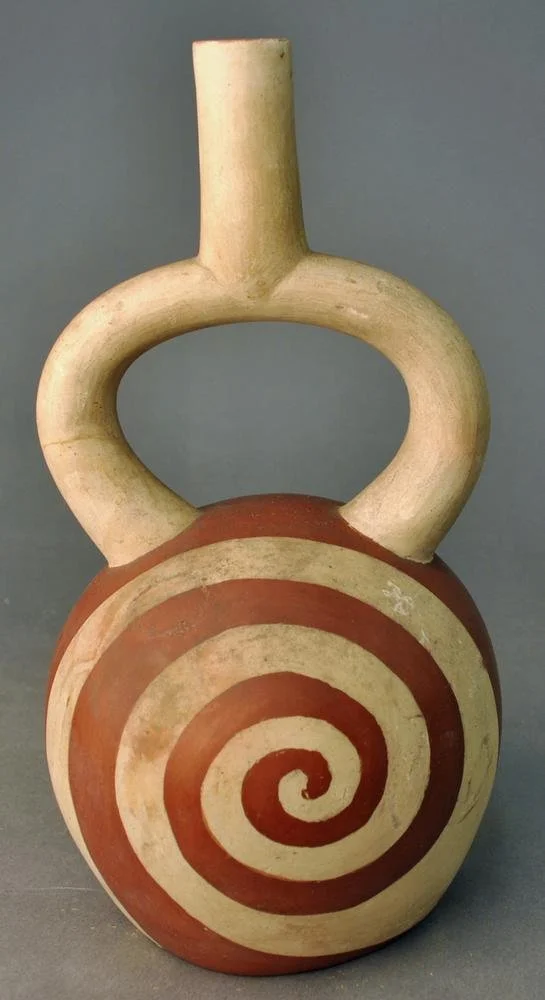
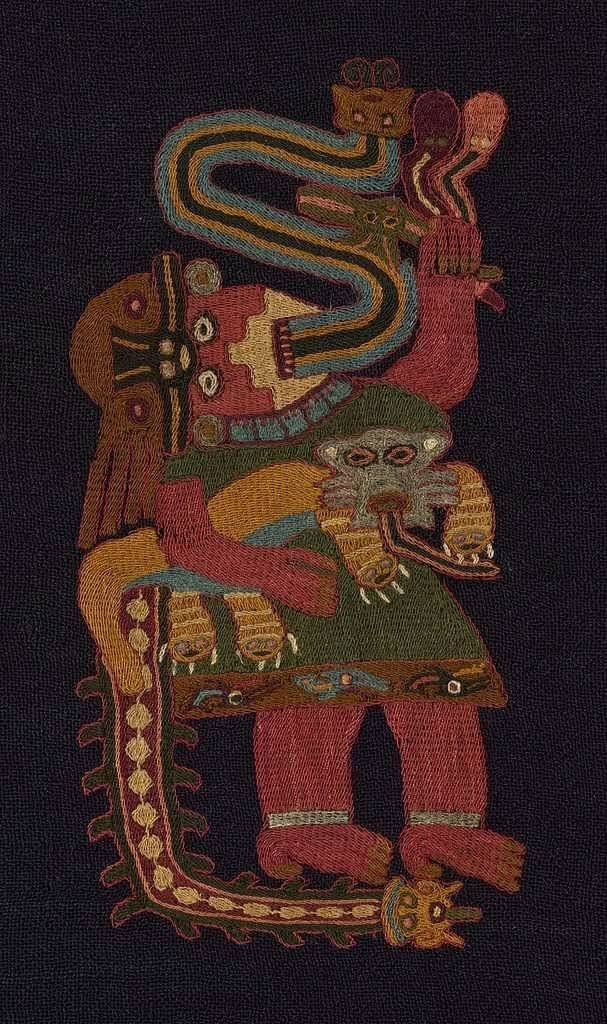
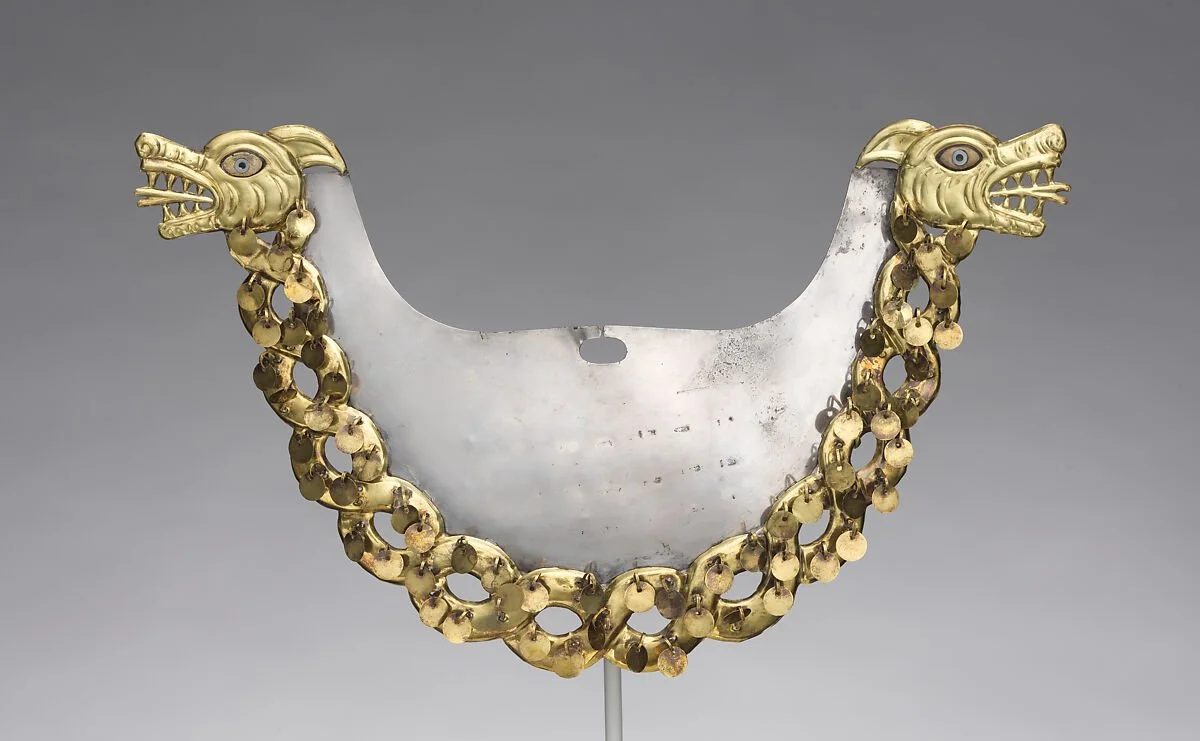
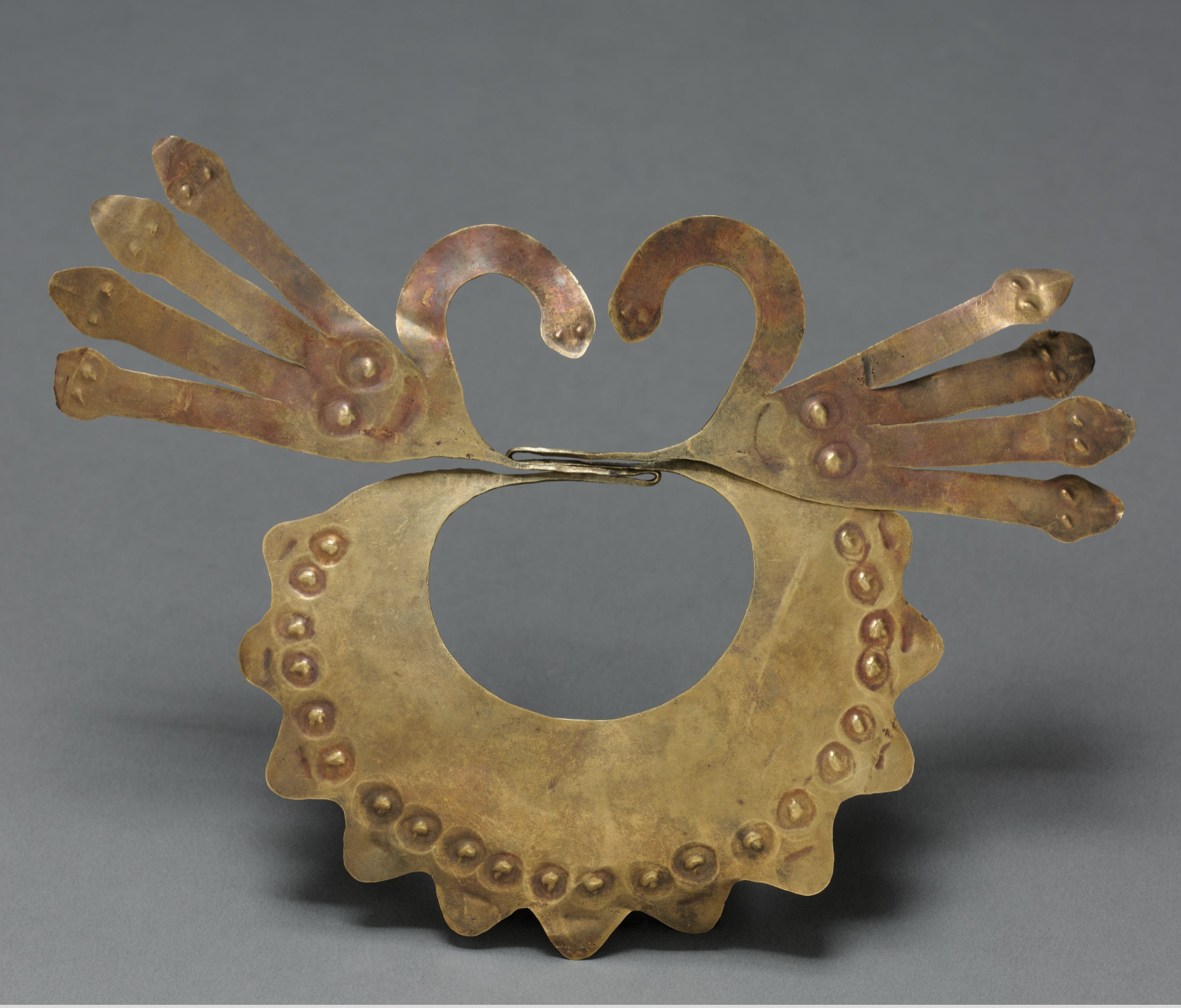
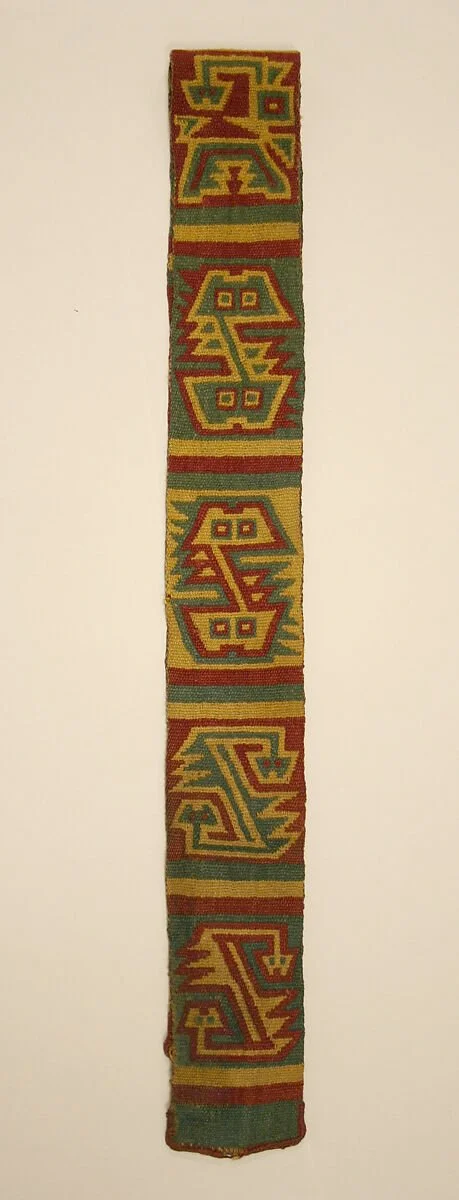
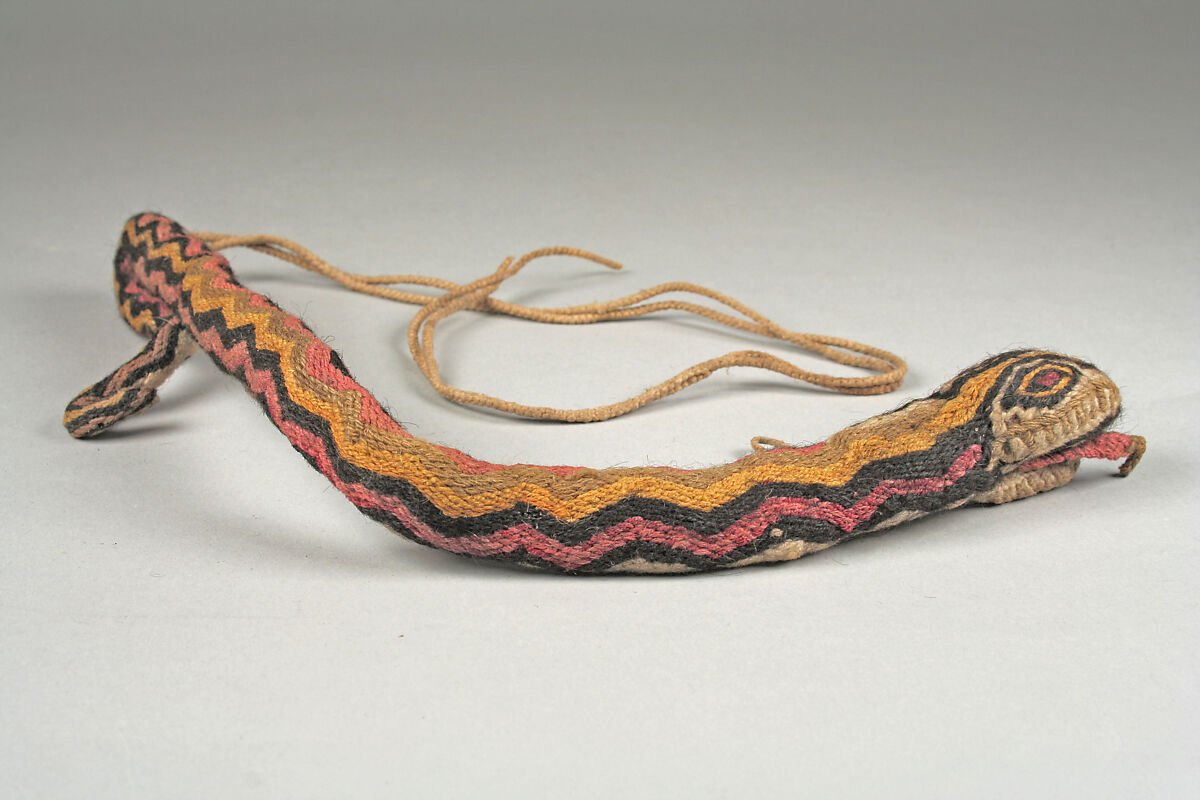
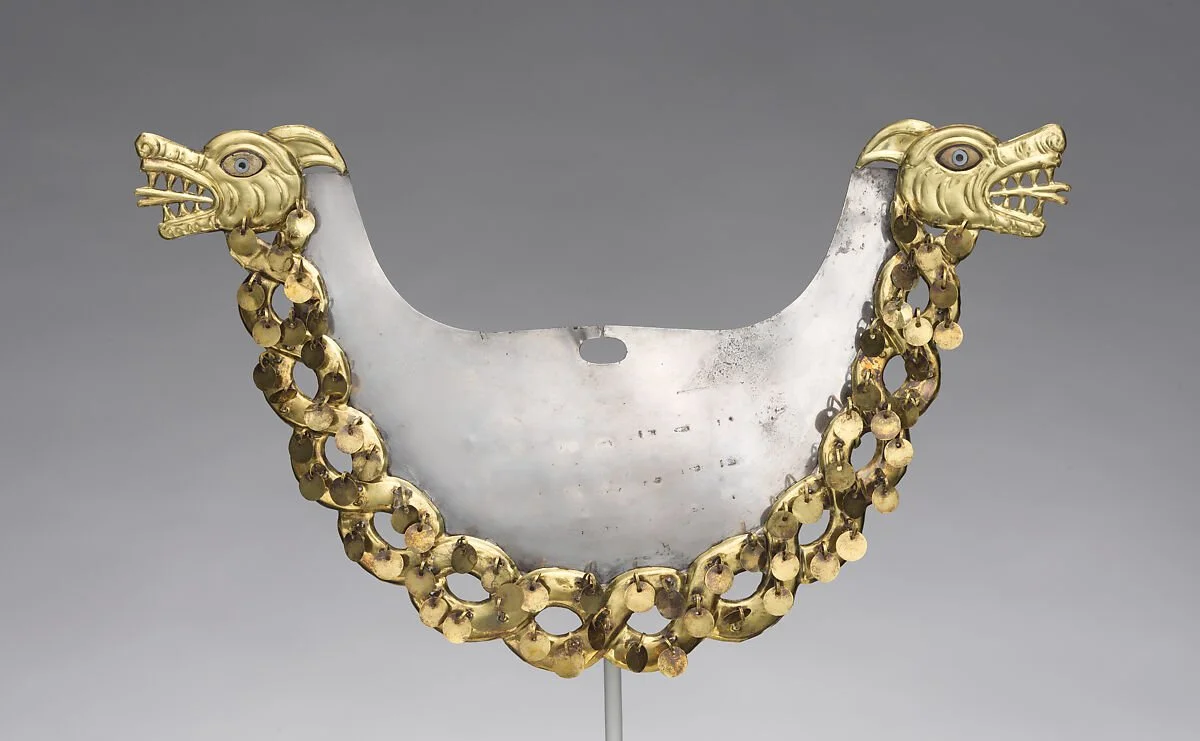
In pre-Columbian art, serpents, Amaru or Machacuay in Quechua, were sacred beings, associated with fertility, protection, ancestral knowledge, and the regenerative power of the underworld. Their movement is often captured in the spiral, a visual metaphor for cycles of life, transformation, and continuity, reminding us that true renewal begins quietly, beneath the surface.
As the Year of the Serpent draws to a close, this ancestral symbol reminds us that transformation begins below the surface, in silence, in reflection, in the unseen. It invites us to contemplate cycles of renewal, honouring what is ready to be released and what is beginning to take form.
In ancient Peru, serpents, Amaru or Machacuay in Quechua, were sacred beings with deep symbolic significance, mainly associated with fertility, rain, protection, and ancestral wisdom. They played an essential role in ceremonial life and visual culture. Serpents were revered for their capacity to inhabit the earth’s interior, to move between visible and invisible worlds, and to embody regenerative power. Within Andean cosmology, existence is understood as an interconnected system of realms rather than separate physical ones.
Hanan Pacha is the upper realm, associated with the sky, celestial bodies, and luminous forces. Kay Pacha is the world of the here and now, the living realm where humans, animals, plants, and landscapes coexist. Ukhu Pacha, often translated as the underworld, is the realm of origin, transformation, and renewal. It is the domain of water sources, seeds, ancestors, and hidden energies from which life continuously emerges.
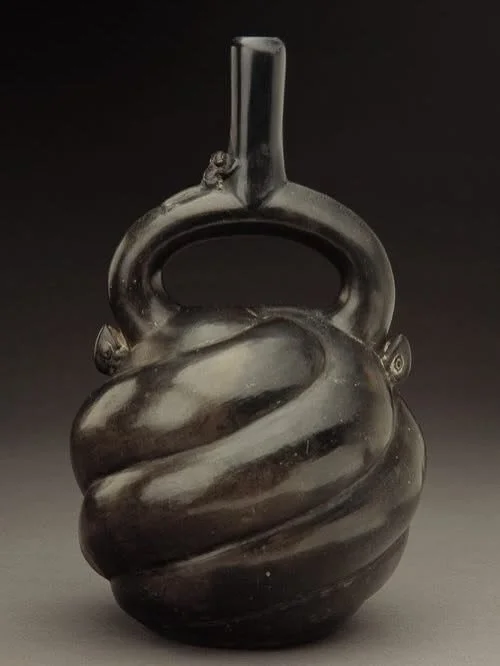
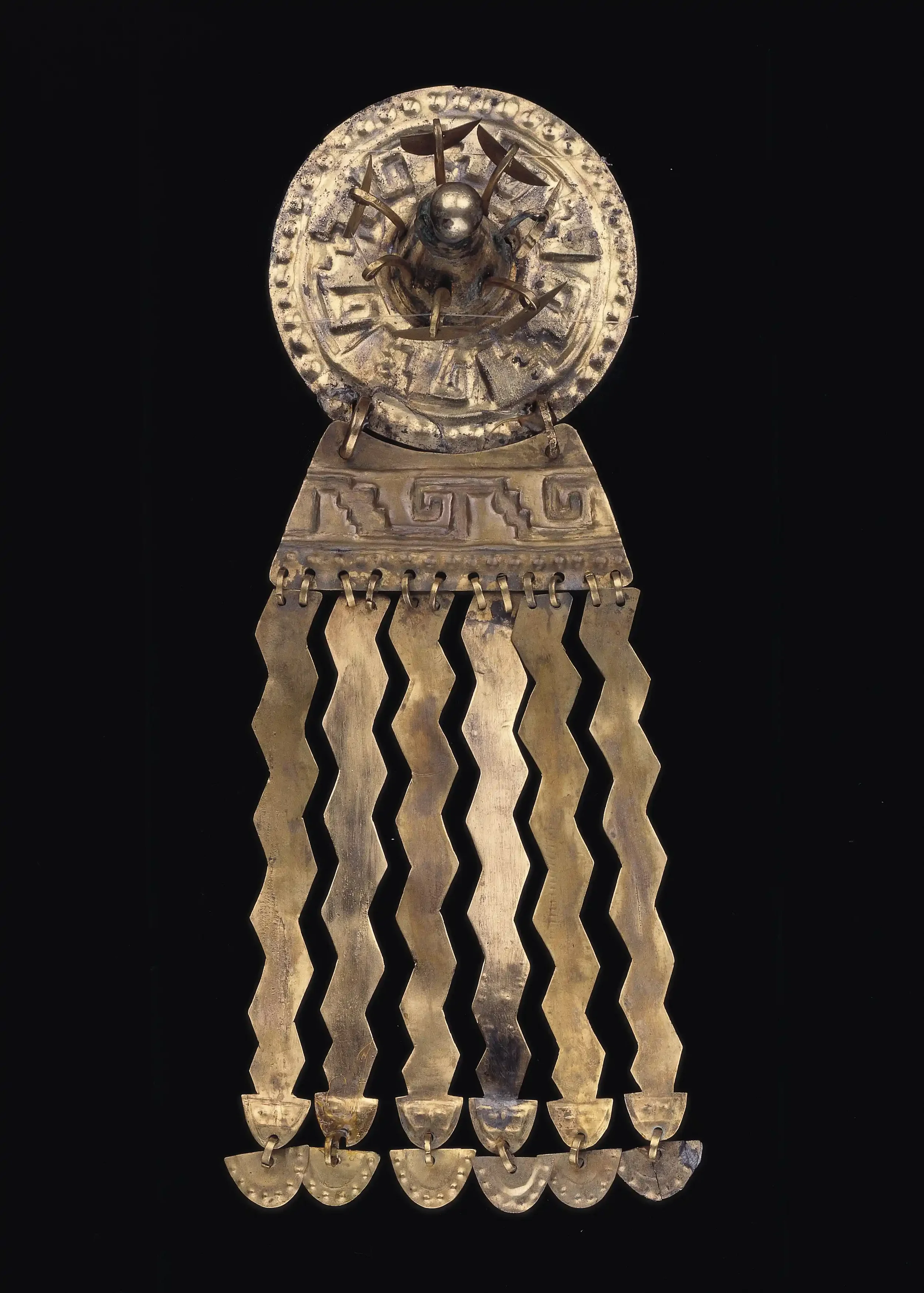
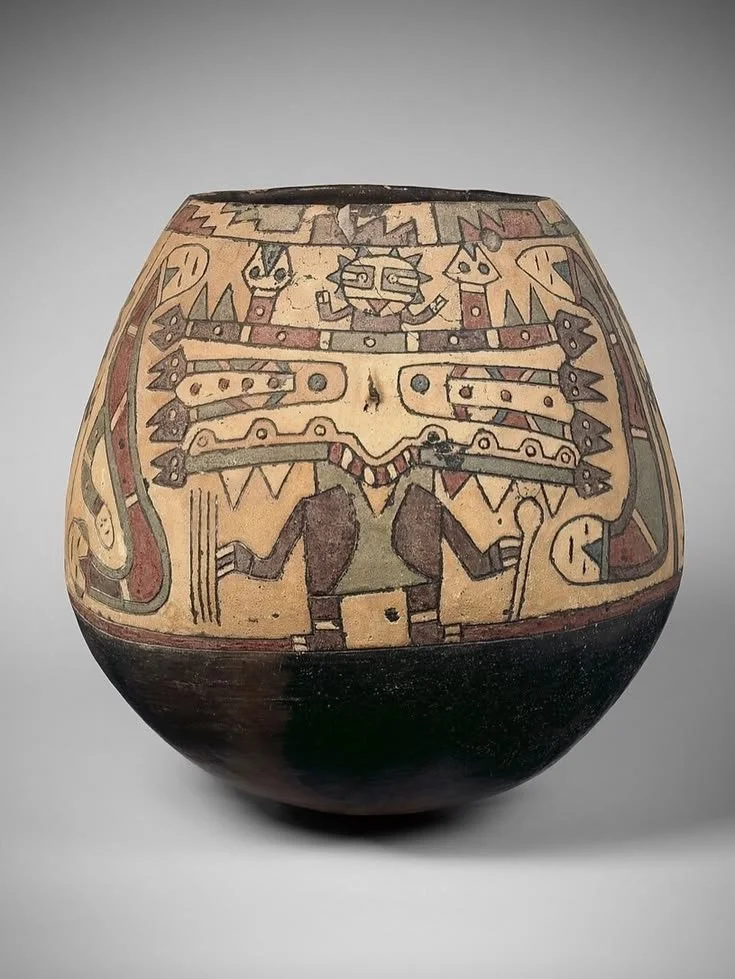
In pre-Columbian art, the serpent’s movement is frequently expressed through the spiral, a form appearing across multiple scales and media: ceramics, textiles, sculptural vessels, and even large-scale geoglyphs, such as some figures within the Nazca Lines. In Chimú ceramics, for example, two-headed serpents are often coiled into spirals, serving as a visual metaphor for cyclical regeneration and the flow of life. Across these representations, the spiral captures the serpent’s connection to renewal and continuity and reflects the broader Andean understanding of cycles, energy, and the interconnectedness of worlds.
This ancient wisdom offers a quiet reminder, before movement comes stillness; before emergence, incubation. The spiral teaches that renewal is not abrupt; it rises slowly from within, guided by cycles older than time.